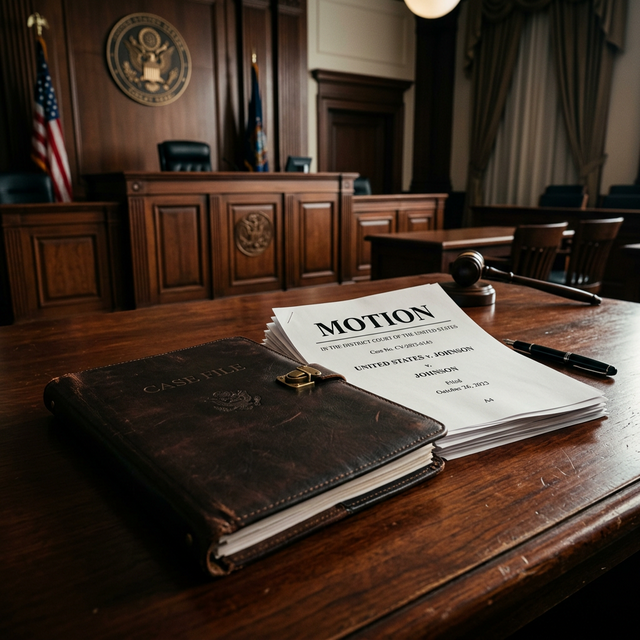
The Work of a Motion
The Engine of Decision Making
A motion is the formal tool that moves a group from conversation to action. Until a motion is on the floor, the body has not started making a decision.
Audio Introduction
Listen to a quick overview before you move into the gem.
Click the radio to play or pause.
The Lifecycle of a Motion
The Lifecycle of a Motion
A motion must follow a strict path to become a binding decision.
The Seconder Myth
The Seconder Myth
Myth: "If I second a motion, surely I must agree with it?"
Fact: Incorrect.
A Second is simply a Permission Slip. It tells the Chair: "I believe this topic is worthy of the group's time to debate."
You can second a motion to get it on the floor, debate against it, and vote No.
Voting Mechanics
Voting Mechanics
Click a scenario to reveal the governance rule and what it means in practice.
The Tie Vote
Abstentions
See Below
Chair's Vote
Virtual Voting
Abstentions
Abstentions
Abstaining should be unusual. A member should abstain only when there is a real reason not to vote, such as a conflict of interest or another proper ground for stepping back from the decision.
Examples might include a conflict of interest, not having enough reliable information to vote responsibly, prior involvement that makes impartial judgment difficult, or a rule, policy, or code of conduct that requires the member to step back.
An abstention should not mean, "I do not like this question," or, "I do not want to take a position." An abstention is not a vote. The outcome is determined by the votes actually cast.
Digging Deeper
Watch the professional walkthrough to master these concepts.